

The sustainable packaging revolution is no longer a niche trend; it is a fundamental shift in global commerce. For brand owners, distributors, and importers, the question is no longer whether to adopt eco-friendly solutions, but how to navigate the transition effectively. As we move through 2026, biodegradable flexible packaging is rapidly evolving from an optional “green” feature into a core strategic imperative. Driven by stringent regulations, shifting consumer expectations, and technological breakthroughs, this material category is poised to redefine the flexible packaging landscape. This guide explores the current state of biodegradable flexible packaging, helping you understand its potential, challenges, and practical applications for your brand.
The Regulatory Catalyst: Why Compliance Drives Adoption
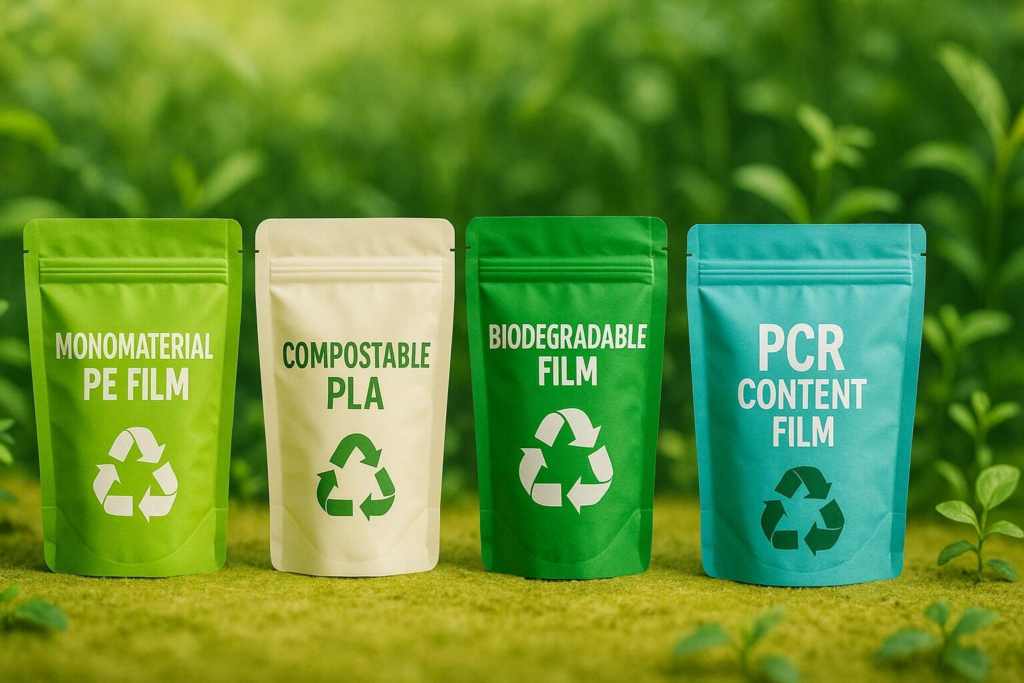
Government policy has become the most powerful engine for sustainable packaging adoption. Regulations are shifting the industry from voluntary commitments to measurable obligations. The European Union’s Packaging and Packaging Waste Regulation (PPWR), which fully applies from August 2026, sets strict requirements for recyclability, recycled content, and waste prevention. Similarly, Canada’s single-use plastics ban and emerging Extended Producer Responsibility (EPR) schemes in the UK and other regions are making non-compliant packaging a direct financial liability.
For exporters, this means that biodegradable flexible packaging is not just an environmental choice but a market access requirement. Brands must now prove that their packaging can be responsibly managed at end-of-life. This regulatory pressure is accelerating the adoption of certified biodegradable materials, as they offer a viable pathway to compliance in markets where recycling infrastructure for traditional plastics is limited. Understanding these regulations is the first step in building a resilient and future-proof packaging strategy.
Material Innovation: Beyond PLA to High-Performance Solutions
The perception of biodegradable packaging as a low-performance alternative is outdated. Material science has advanced significantly, offering a diverse range of biodegradable polymers that meet the functional demands of modern packaging. While Polylactic Acid (PLA) remains a popular choice, new materials like Polyhydroxyalkanoates (PHA) and advanced starch-based blends are gaining traction for their superior barrier properties and versatility.
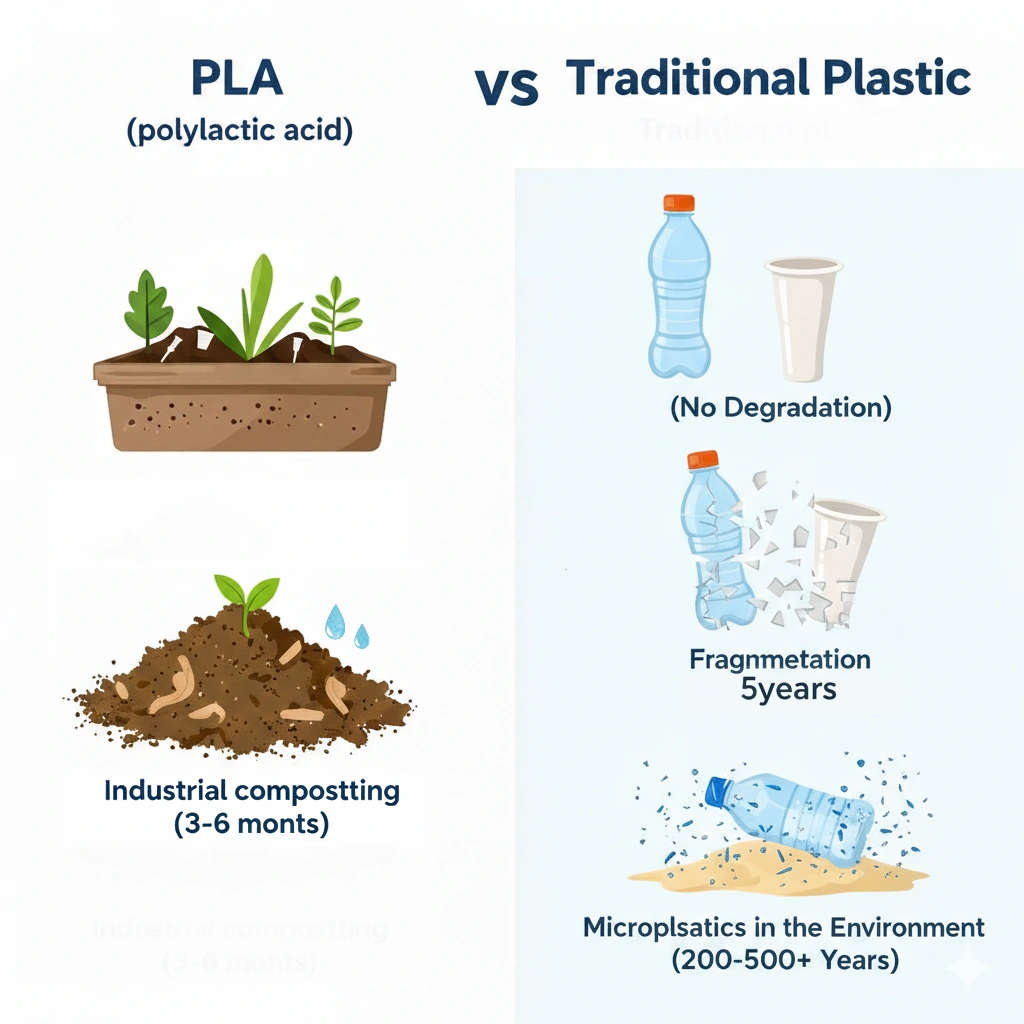
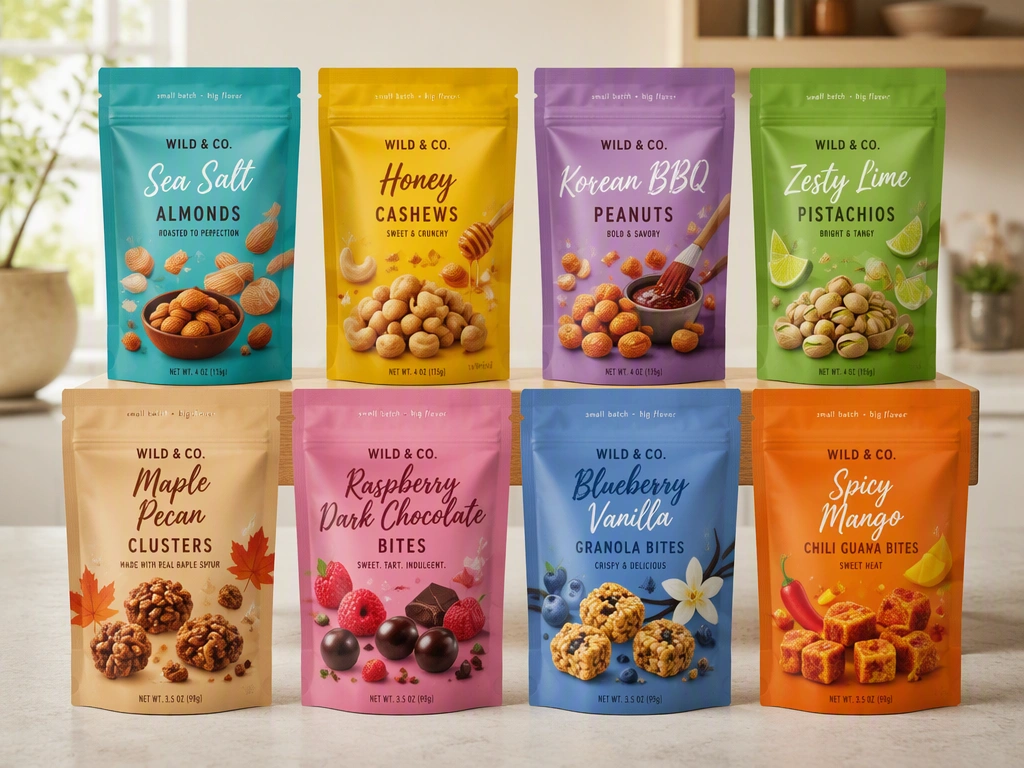
These next-generation materials are no longer exclusive to large corporations. Specialized suppliers and co-packing partners now make them accessible to small and medium-sized enterprises. Innovations such as high-barrier coatings that are compatible with both paper recycling and industrial composting provide brands with unprecedented flexibility. For instance, new biopolymer solutions can now protect sensitive products like coffee, snacks, and pet food from moisture and oxygen while maintaining full compostability. This technological leap ensures that sustainable packaging benefits do not come at the cost of product quality or shelf life.
The Consumer Mandate: Demand for Transparency and Trust
Consumer behavior is a critical driver in the biodegradable packaging market. Approximately 66% of global consumers are willing to pay a premium for brands committed to sustainability, with this figure rising to 73% among millennials. This demographic prioritizes environmental responsibility over mere convenience, making eco-friendly packaging a key differentiator on the shelf.
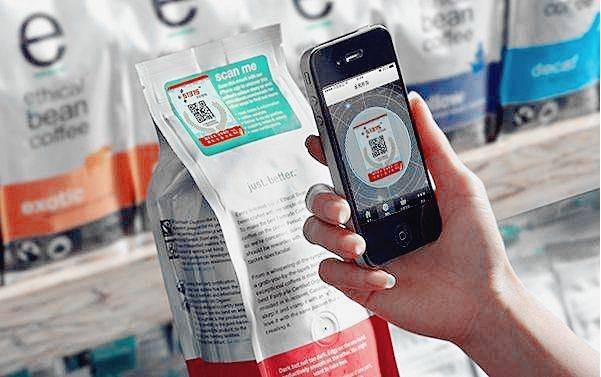
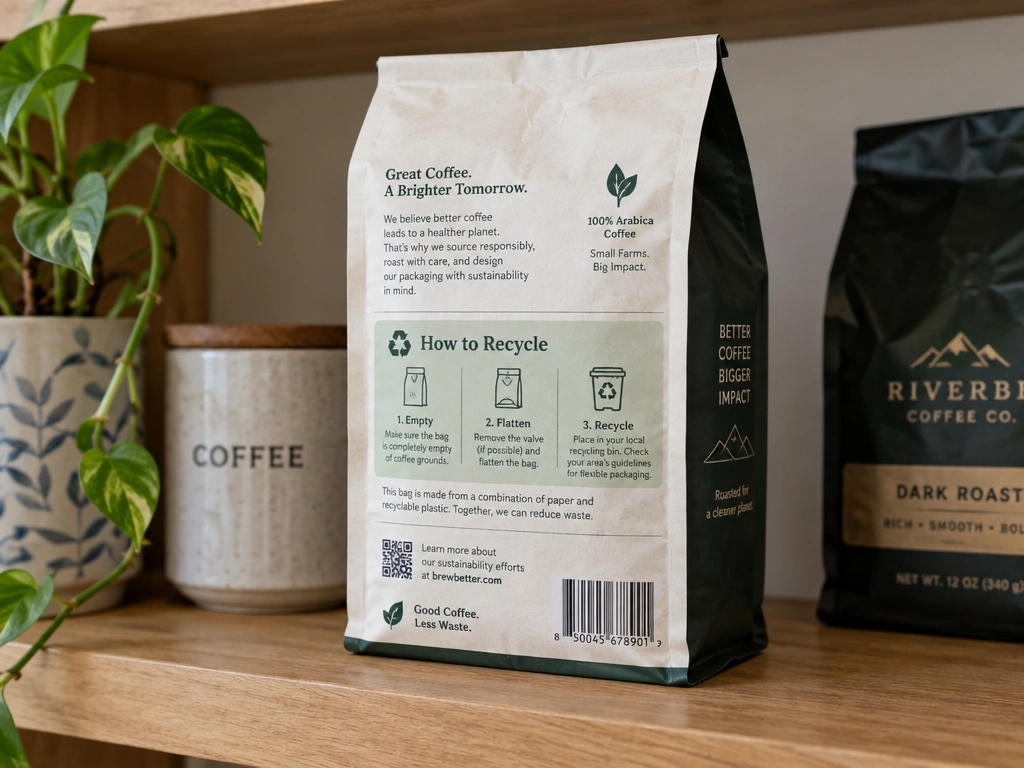
However, consumer trust is fragile. Misunderstandings about disposal methods and concerns about “greenwashing” can undermine brand credibility. To build trust, brands must prioritize transparency. Smart packaging technologies, such as QR codes and NFC tags, allow consumers to access detailed information about material sourcing, carbon footprint, and proper disposal instructions. This level of transparency transforms packaging from a simple container into a communication tool that educates consumers and reinforces brand values. By clearly communicating the environmental benefits and end-of-life options of their biodegradable flexible packaging, brands can foster deeper loyalty and drive repeat purchases.
Strategic Implementation: Balancing Performance, Cost, and End-of-Life
Adopting biodegradable flexible packaging requires a strategic approach that balances performance, cost, and end-of-life management. While material costs can be higher than traditional plastics, this gap is narrowing due to economies of scale and technological advancements. Brands can mitigate costs through lightweight design, optimized packaging formats, and strategic sourcing from integrated manufacturers.
Crucially, the choice of material must align with the available waste management infrastructure in the target market. The “recycle first, compost as backup” principle is gaining prominence, especially in regions with robust paper recycling systems. For example, paper-based packaging with compostable coatings can be recycled in standard paper streams, while heavily contaminated packaging can be composted. This dual-pathway approach ensures that packaging remains environmentally responsible regardless of the disposal scenario. Brands should work closely with their packaging suppliers to select materials that are not only biodegradable but also compatible with local waste management systems, ensuring a truly circular solution.
Conclusion
Biodegradable flexible packaging is unequivocally becoming mainstream in 2026. Driven by regulatory mandates, consumer demand, and material innovation, it offers a viable and increasingly cost-effective solution for brands seeking to reduce their environmental impact. The key to success lies in a strategic approach that prioritizes compliance, performance, and transparency. By partnering with experienced manufacturers and staying informed about evolving regulations and technologies, brands can turn the challenge of sustainable packaging into a competitive advantage. The future of flexible packaging is biodegradable, and the time to act is now.
FAQ
1. What is the difference between biodegradable and compostable flexible packaging?
Biodegradable packaging breaks down naturally over time, but the rate and conditions can vary. Compostable packaging is a subset of biodegradable materials that breaks down into non-toxic organic matter under specific conditions (industrial or home composting) within a defined timeframe. For packaging, compostable certifications (like BPI or EN 13432) are often more reliable indicators of environmental performance.
2. Can biodegradable flexible packaging protect products as well as traditional plastics?
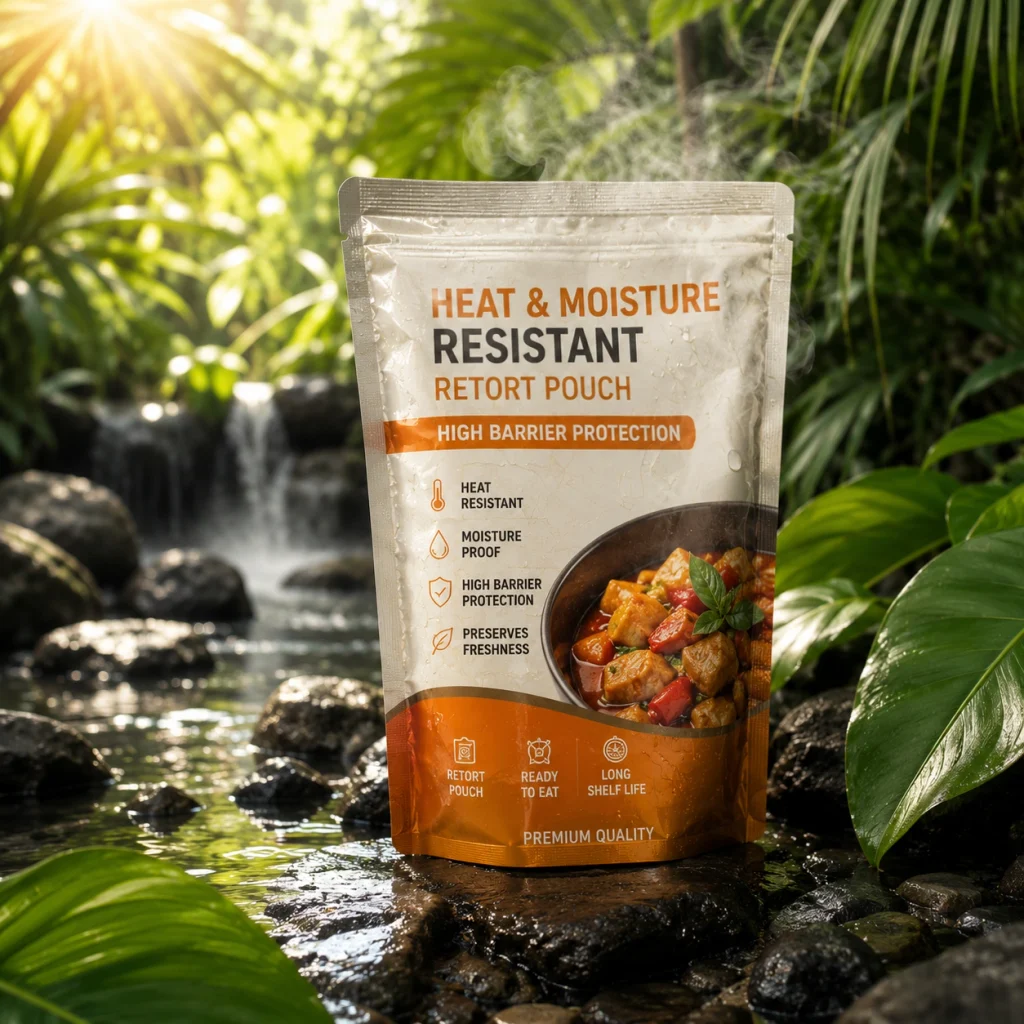
Yes. Modern biodegradable materials, such as PHA and advanced PLA blends, offer excellent barrier properties against moisture, oxygen, and light. They are suitable for a wide range of applications, including coffee, snacks, pet food, and even retort pouches. The key is to select the right material and structure for your specific product requirements.
3. How do I ensure my biodegradable packaging complies with EU PPWR?
Compliance with EU PPWR requires that packaging is designed for recyclability or reusability and meets specific recycled content targets. For biodegradable packaging, you must ensure it is certified to relevant standards (e.g., EN 13432 for industrial compostability) and that your end-of-life claims are accurate and verifiable. Working with a supplier who understands EU regulations is essential.
4. What are the main challenges in adopting biodegradable flexible packaging?
The primary challenges include higher material costs compared to traditional plastics, limited composting infrastructure in some regions, and consumer confusion about disposal methods. However, these challenges are being addressed through technological advancements, policy support, and consumer education.
5. How can I communicate the benefits of biodegradable packaging to my customers?
Transparency is key. Use clear labeling and certifications on your packaging. Leverage digital tools like QR codes to provide detailed information about the material, its environmental benefits, and proper disposal instructions. Share your sustainability story through your marketing channels to build trust and educate consumers.