
Introduction
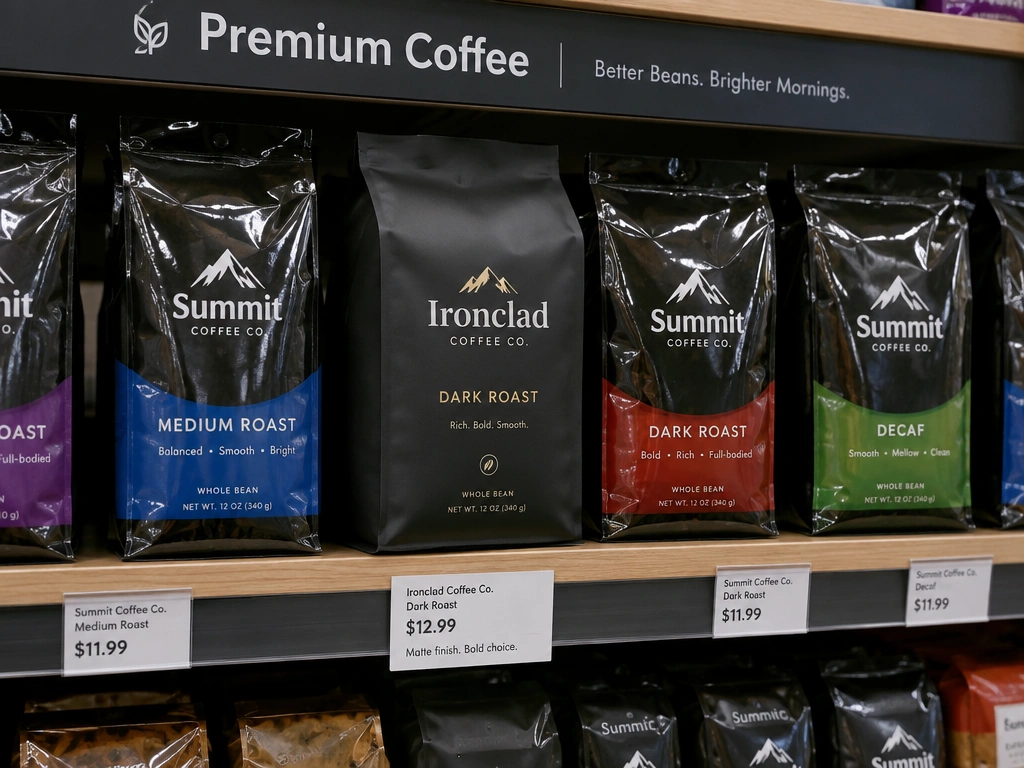
Countless coffee roasters, pet food brands and snack manufacturers fall prey to a pervasive packaging misconception: compostable flexible pouches are automatically a more sustainable choice than standard plastic flexible packaging. This oversimplified narrative only highlights end-of-life biodegradation while ignoring critical factors including raw material carbon footprints, manufacturing energy use, functional performance limits, regional waste infrastructure and cross-ocean shipping emissions.

As a China-based flexible packaging factory running dedicated compostable and recyclable custom packaging production lines, LuckeePak partners with hundreds of global importers, food producers and packaging distributors each year. We’ve witnessed many brands fully transition to compostable pouches, only to face inflated production costs, drastically shortened product shelf life and zero net environmental benefits in markets without access to industrial composting facilities.
This unbiased guide delivers a full side-by-side evaluation of compostable versus conventional flexible packaging. It will help you select tailored sustainable packaging aligned with your product portfolio, target sales regions and global supply chain logistics.
1. Where Does the “Compostable = Fully Eco-Friendly” Misconception Originate?
Most brand buyers form one-sided views driven by targeted marketing that omits upstream environmental downsides:
- Raw material suppliers heavily market biodegradability without disclosing high water, fertilizer and land costs required to grow PLA and PBAT feedstocks
- Unregulated greenwashing from small packaging distributors that skip full lifecycle assessment data to push higher-margin compostable films
- Widespread lack of education around strict industrial compost standards; home compost bins cannot fully break down commercial compostable pouches
- Underdiscussed contamination risk: compostable film mixed with standard flexible packaging ruins entire plastic recycling batches


For brands exporting coffee packaging, pet food packaging or retort pouch goods across continents, this misleading narrative leads to costly, counterproductive packaging decisions.
2. Head-to-Head Comparison: Compostable vs Standard Flexible Packaging Materials
Below we break down core sustainability metrics that directly impact your custom pouch packaging and roll stock film bulk orders:
Raw Material Carbon Footprint
- Compostable packaging: Constructed from plant-derived PLA/PBAT. Crop cultivation consumes massive freshwater resources, chemical fertilizers and arable land; harvesting and polymer processing generate significant upfront carbon emissions.
- Conventional flexible packaging: PET, PE and aluminum barrier films are secondary petrochemical byproducts that require no farmland. Our modern recyclable pouch formulas drastically cut virgin plastic consumption for eco-conscious clients.
Manufacturing Energy & Production Efficiency
- Compostable film extrusion and lamination require sustained high operating temperatures, pushing up factory power consumption across production runs.
- Traditional flexible packaging relies on mature, low-energy manufacturing workflows. While our digital printing equipment supports both material types, compostable substrates slow printing speeds and create more offcut waste during production.
Functional Barrier Performance (Critical for Reducing Food Waste)
Packaging functionality directly cuts food waste — one of the world’s biggest environmental stressors:
- Compostable pouches: Weak oxygen, moisture and oil barriers. They cannot meet performance demands for retort pouch sterilization, high-oil snacks or long-shelf coffee packaging.
- Multi-layer standard flexible packaging: Superior barrier protection extends product shelf life significantly. Minimizing food waste delivers far larger environmental gains than biodegradability alone.
End-of-Life Disposal Infrastructure (The Most Decisive Factor)
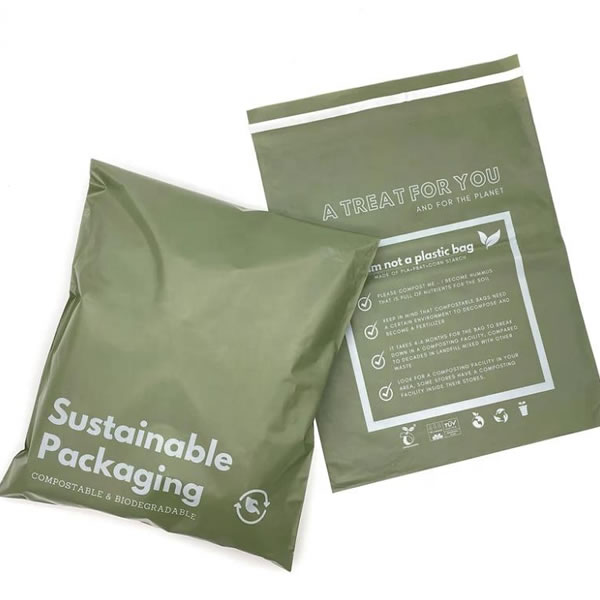
- Compostable bags only fully decompose inside commercial industrial compost plants, which remain scarce across North America, Southeast Asia and rural European regions. When mixed with household plastic recycling, they contaminate recyclable flexible packaging streams.
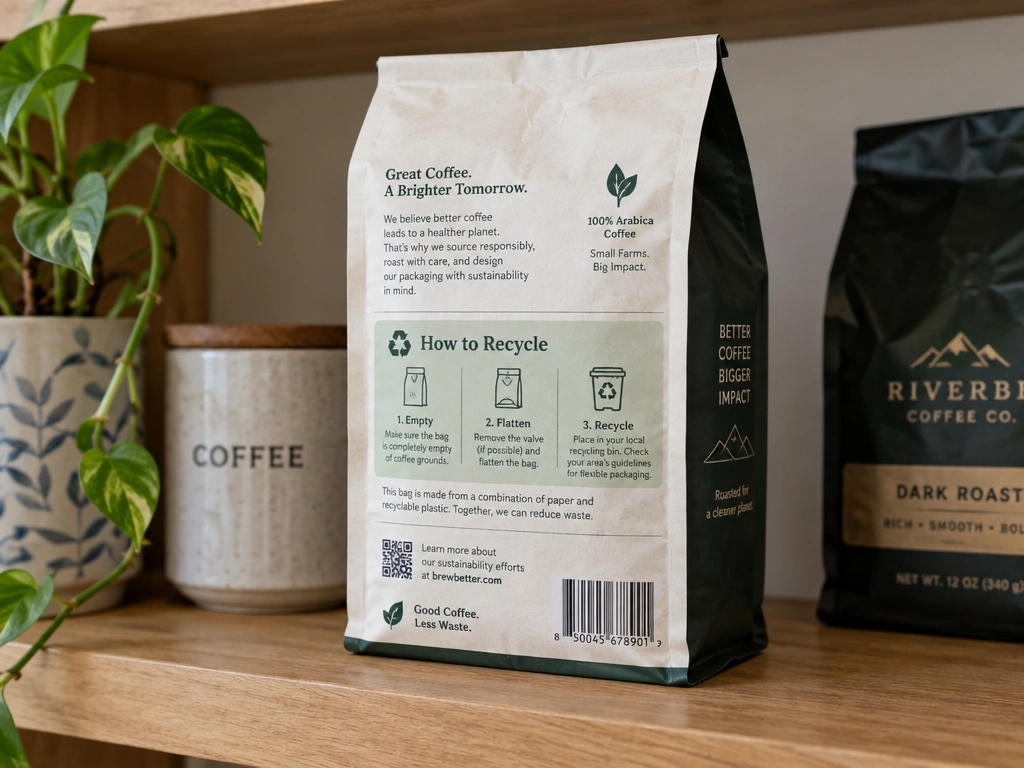
- Mono-material recyclable flexible pouches (our flagship sustainable product at LuckeePak) fit established dedicated film recycling programs available in most major importing nations.
Logistics & Ocean Shipping Carbon Impact
Compostable films must be manufactured at thicker gauges to maintain tensile strength, increasing overall packaging weight. Heavier pouches and roll stock film drive higher ocean freight carbon emissions for bulk flat bottom bag and stand up pouch shipments to overseas importers.
3. Scenarios Where Compostable Flexible Packaging Delivers Real Eco Value
Compostable custom packaging only delivers genuine sustainability advantages under narrow, specific conditions:
- Local retail brands with convenient access to nearby industrial composting facilities
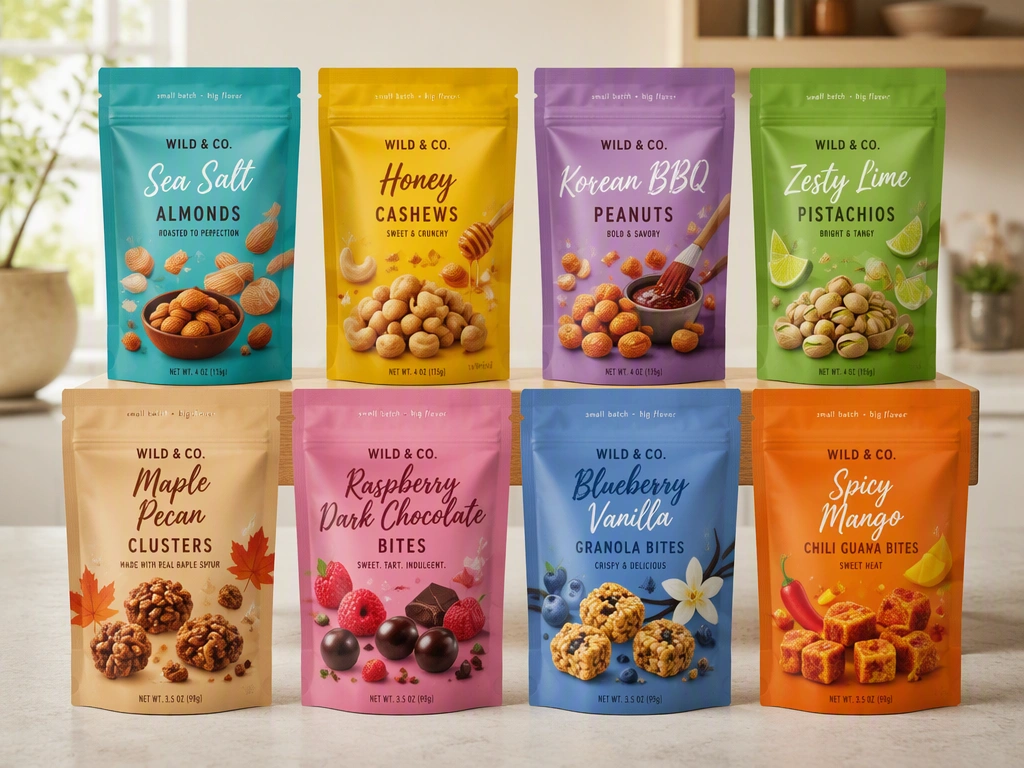
- Short-shelf dry goods with low barrier requirements: small-batch herbal tea, single-serve lightweight snacks
- Zero-waste specialty brands serving local eco-focused consumers with dedicated commercial compost collection programs
- Low-volume digital printing packaging orders for regional small brands with no long-distance ocean shipping
4. When Recyclable Standard Flexible Packaging Outperforms Compostable Alternatives
For the majority of our global clients — pet food manufacturers, specialty coffee brands and packaging distributors — recyclable pouches are the more environmentally responsible choice:
- Products requiring robust barrier protection: wet pet food, whole roasted coffee beans, oily snacks packed in stand up pouches or flat bottom bags
- Brands exporting to countries lacking formal industrial compost infrastructure
- Large bulk orders with lengthy cross-ocean transit routes where heavier compostable film raises shipping carbon footprints
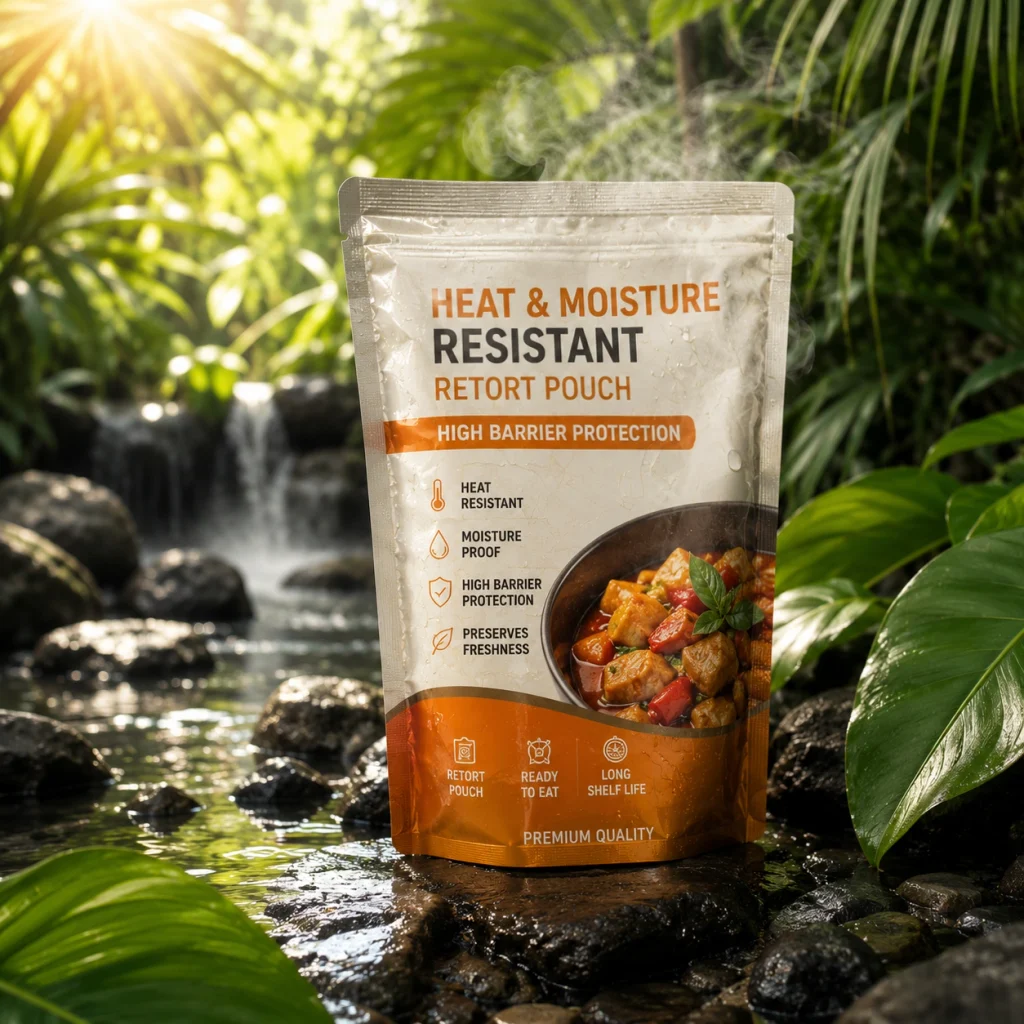
- Heat-processed food products that need retort pouch thermal resistance for sterilization
5. Custom Sustainable Packaging Guidance From Our Flexible Packaging Factory
At LuckeePak, we never market compostable packaging as a universal one-size-fits-all solution for every custom packaging project. Our actionable, export-focused recommendations for global importers:
- Prioritize mono-material recyclable flexible packaging for all cross-border food shipments
- Adopt minimalist digital printing designs to cut ink waste across all pouch packaging formats
- Specify compostable pouches only if your target market has widespread commercial compost access
- Optimize roll stock film gauge thickness to reduce material weight and lower shipping emissions
- Take advantage of our BRC and FDA-certified sustainable packaging lines for compliant, low-waste custom orders

Conclusion
Compostable flexible packaging serves as a valuable sustainable packaging solution, yet it is not inherently greener than standard recyclable pouches for every product or market. Its overall environmental impact depends entirely on your packaging applications, product performance requirements, local waste disposal infrastructure and international supply chain scale.
Mass switching all stand up pouches, flat bottom bags and roll stock film to compostable materials often raises unit costs, shortens product shelf stability and fails to deliver meaningful eco improvements for cross-border brands.
As a trusted China flexible packaging factory equipped with full digital printing capabilities and a complete range of sustainable packaging options, LuckeePak delivers fully customized OEM/ODM packaging tailored to your unique sustainability targets. Whether you need recyclable pouches, heat-resistant retort pouches or certified compostable packaging for coffee, pet food and snack lines, our team provides compliant, cost-effective solutions with fast turnaround times.
FAQ
1. Can compostable pouches be recycled alongside regular flexible packaging?
No. PLA/PBAT compostable films contaminate plastic recycling batches and render entire loads unrecyclable. They require separate sorting for industrial composting, creating extra operational costs for distributors and retail partners.
2. Is compostable packaging a viable replacement for retort pouches for wet pet food and meat snacks?
Not with current material technology. Compostable substrates lack the high heat resistance and oil barrier properties required for retort sterilization. Multi-layer standard flexible packaging remains the only safe, shelf-stable option for high-moisture food goods.
3. Does digital printing perform identically on compostable and conventional packaging materials?
Digital printing is technically compatible with both substrates, but compostable film has tighter print tolerances. This leads to higher production waste, slower production speeds and longer lead times compared to standard PE/PET roll stock film.
4. Which sustainable packaging option has a lower total carbon footprint for ocean export orders?
Lightweight mono-material recyclable flexible packaging delivers lower overall carbon emissions for cross-sea shipments. This is due to thinner film gauges and elimination of the heavy upstream carbon costs tied to compostable crop feedstock production.
5. Does LuckeePak supply both compostable and recyclable custom flexible packaging?
Absolutely. Our factory manufactures a full lineup of compostable pouches, recyclable stand up pouches, flat bottom bags, coffee packaging and pet food packaging with FDA and BRC certification. We also offer fast lead times for small-batch digital printing custom packaging orders.