

Introduce
When it comes to custom flexible packaging, one of the most important decisions is choosing the right printing method. The printing technology you select will directly affect packaging quality, lead time, minimum order quantity, and overall cost.
Today, digital printing and gravure printing are two of the most widely used printing methods in the flexible packaging industry. But which one is better for your project?
The answer depends on your order volume, artwork requirements, budget, and business goals. In this article, we’ll compare digital printing and gravure printing to help you determine the best solution for your packaging needs.
What Is Digital Printing?
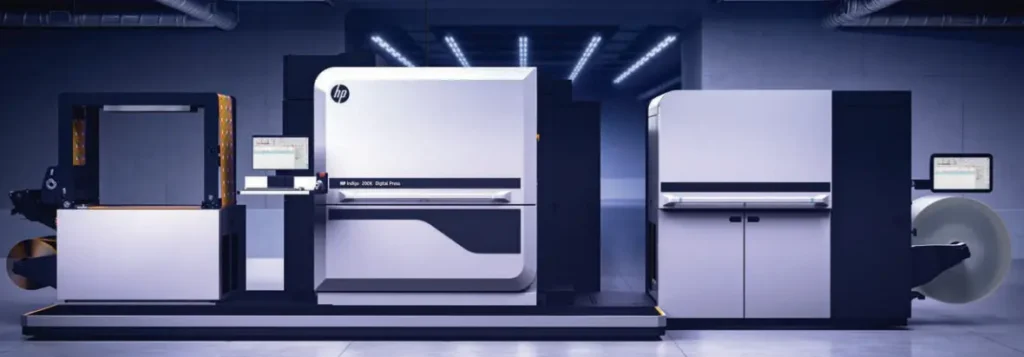
Digital printing transfers artwork directly from a digital file onto the packaging material without the need for printing cylinders or plates.
This technology allows packaging manufacturers to print designs quickly and efficiently, making it particularly suitable for short-run and medium-volume production.
Digital printing is commonly used for small volume Seasonal promotions , Product launches and market testing, because there are no printing cylinders involved, artwork can be modified easily without additional tooling costs.
What Is Gravure Printing?
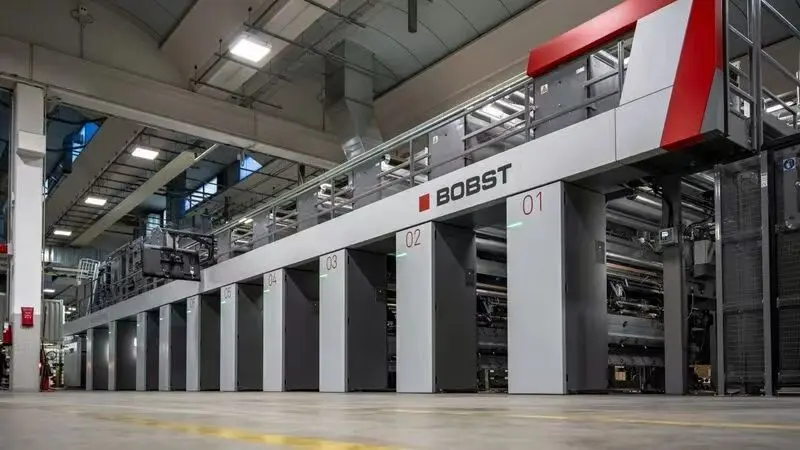
Gravure printing is a traditional printing process that uses engraved cylinders to transfer ink onto packaging films.
Each color requires its own cylinder, which must be manufactured before production begins. While this involves an initial investment, gravure printing offers exceptional consistency and efficiency for large-volume orders.
Gravure printing is widely used for High-volume retail packaging.
For brands with stable artwork and large annual demand, gravure printing remains one of the most cost-effective production methods.
Digital Printing vs Gravure Printing: Key Differences
| Feature | Digital Printing | Gravure Printing |
| Printing Cylinders | Not Required | Required |
| Cylinder Cost | None | Additional Cost |
| MOQ | Low | Higher |
| Lead Time | Short | Longer |
| Artwork Changes | Easy | New Cylinders Required |
| Color Consistency | Excellent | Excellent |
| Unit Cost for Small Orders | Lower | Higher |
| Unit Cost for Large Orders | Higher | Lower |
| Mass Production Efficiency | Good | Excellent |
1. Setup Cost: Digital Printing Has a Clear Advantage
One of the biggest differences between the two technologies is the setup process.
Digital printing does not require printing cylinders, eliminating cylinder-making costs and reducing preparation time.
For brands launching a new product or testing multiple SKUs, this can significantly reduce upfront investment.
In contrast, gravure printing requires engraved cylinders for every color in the artwork. While cylinder costs are spread across larger production volumes, they can be a considerable expense for small orders.
Best Choice:
Digital Printing for low-volume projects and frequent design changes
2. Lead Time: Digital Printing Is Faster
Speed-to-market has become increasingly important in today’s competitive environment.
Since digital printing eliminates cylinder production and machine setup time, orders can move into production much faster.
This makes digital printing ideal for:
- Product launches
- Limited editions
- Seasonal packaging
- Promotional campaigns
- Market testing
Gravure printing typically requires additional time for cylinder production and press preparation before mass production can begin.
Best Choice:
Digital Printing for urgent projects and shorter lead times
3. Large-Volume Production: Gravure Printing Wins
When production volume increases, gravure printing becomes highly competitive.
Once cylinders are prepared, gravure presses can operate at high speeds while maintaining excellent print consistency throughout long production runs.
For brands ordering tens or hundreds of thousands of pouches, the cost per unit is often lower than digital printing.
Best Choice:
Gravure Printing for large-volume production
4. Print Quality: Both Deliver Excellent Results
Years ago, gravure printing was widely considered superior in image quality. However, modern digital printing technology has significantly narrowed the gap.
Today, both technologies can produce:
- High-resolution graphics
- Vibrant colors
- Fine text details
- Professional retail packaging
For most food, coffee, pet food, and consumer packaging applications, customers will see little difference between the final printed results.
Best Choice:
Both are suitable for high-quality flexible packaging
5. Flexibility: Digital Printing Offers More Freedom
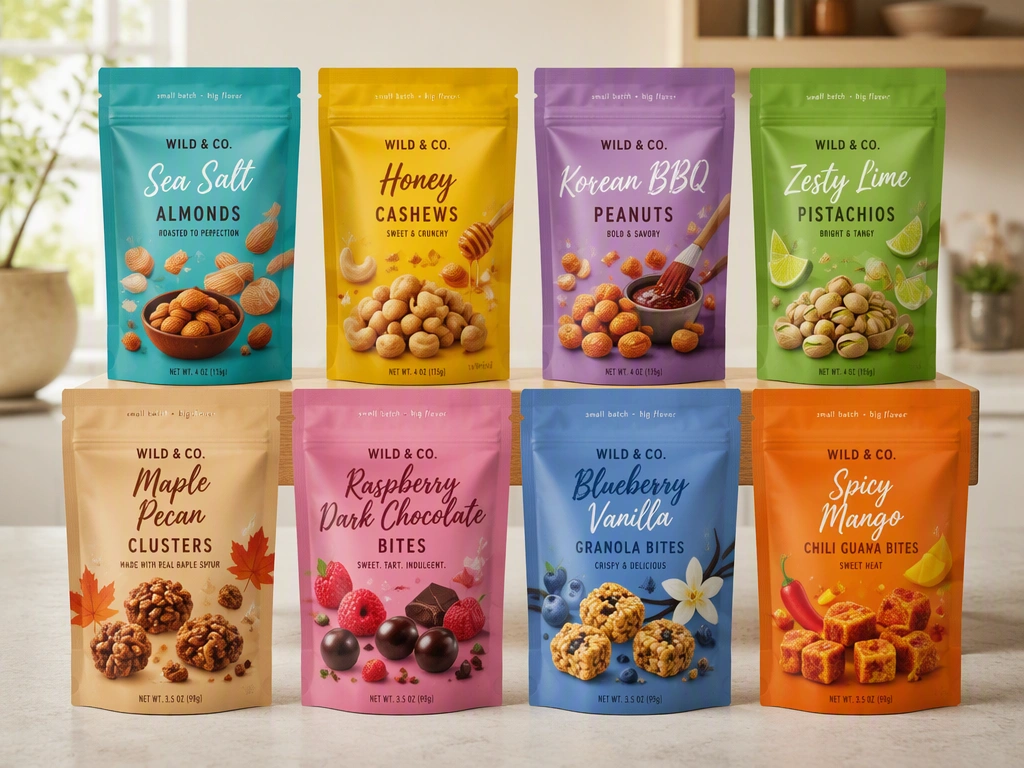
Modern brands often introduce new flavors, seasonal products, regional variations, and limited-edition packaging.
Digital printing makes these changes simple because artwork can be updated directly from the digital file without creating new cylinders.
This flexibility allows businesses to:
- Launch products faster
- Reduce inventory risk
- Test new designs
- Personalize packaging
- Produce multiple SKUs in smaller quantities
Gravure printing is less flexible because every design modification requires new cylinders.
Best Choice:
Digital Printing for multiple SKUs and frequent design updates
When Should You Choose Digital Printing?
Digital printing is often the ideal solution when:
- Order quantities are relatively small
- Product designs change frequently
- You want to avoid cylinder costs
- Fast delivery is important
- You are launching a new product
- Multiple SKUs are required
Many startups and growing brands prefer digital printing because it allows them to enter the market with lower risk and lower initial investment.
When Should You Choose Gravure Printing?
Gravure printing is generally the better choice when:
Order volumes are high
Artwork remains consistent over time
Unit cost optimization is important
Long production runs are required
Multiple repeat orders are expected
For established brands with predictable demand, gravure printing often provides the most economical long-term solution.
So, Digital Printing vs Gravure Printing: Which Is Better?
The truth is that neither technology is universally better. The right choice depends on your specific packaging requirements.
If you need flexibility, low minimum order quantities, fast turnaround, and frequent design updates, digital printing is often the preferred option.
If your focus is large-scale production, maximum cost efficiency, and long-term volume manufacturing, gravure printing remains one of the most reliable and economical solutions available.
By understanding the strengths of each technology, brands can choose the printing method that best supports their product strategy, production volume, and growth objectives.