
Introduce
Nowadays, sustainability is no longer just a popular marketing trend—it has become an important factor influencing packaging decisions across the food, pet food, coffee, and consumer goods industries. As governments introduce stricter environmental regulations and consumers become more environmentally conscious, more brands are rethinking their packaging choices.
One solution gaining significant attention is recyclable flexible packaging, particularly recyclable pouches. These innovative packaging formats offer many of the same benefits as traditional laminated pouches while supporting a more circular economy.
What Are Recyclable Pouches?
Traditional flexible packaging often combines multiple materials such as PET, aluminum foil, nylon, and PE. While these structures provide excellent barrier protection, they can be difficult to recycle because the different materials must be separated before processing.
Recyclable pouches are typically designed using mono-material structures, such as:
- Mono PE (MDOPE / PE)
- Mono PP (BOPP / CPP)
- Recyclable PE structures with EVOH barrier layers
By using compatible materials within the same recycling stream, these pouches can help improve recyclability without sacrificing packaging functionality.
Growing Consumer Demand for Sustainable Packaging
Today’s consumers pay more attention to packaging than ever before. Many actively seek products that use environmentally responsible materials and are willing to support brands that demonstrate sustainability commitments.
Studies consistently show that sustainable packaging can positively influence purchasing decisions. As a result, brands are looking for packaging solutions that not only protect their products but also strengthen their environmental credentials.
Recyclable pouches allow companies to communicate a clear sustainability message while maintaining attractive shelf appeal and product performance.
Regulatory Pressure Is Accelerating the Shift
Packaging regulations are evolving rapidly around the world.
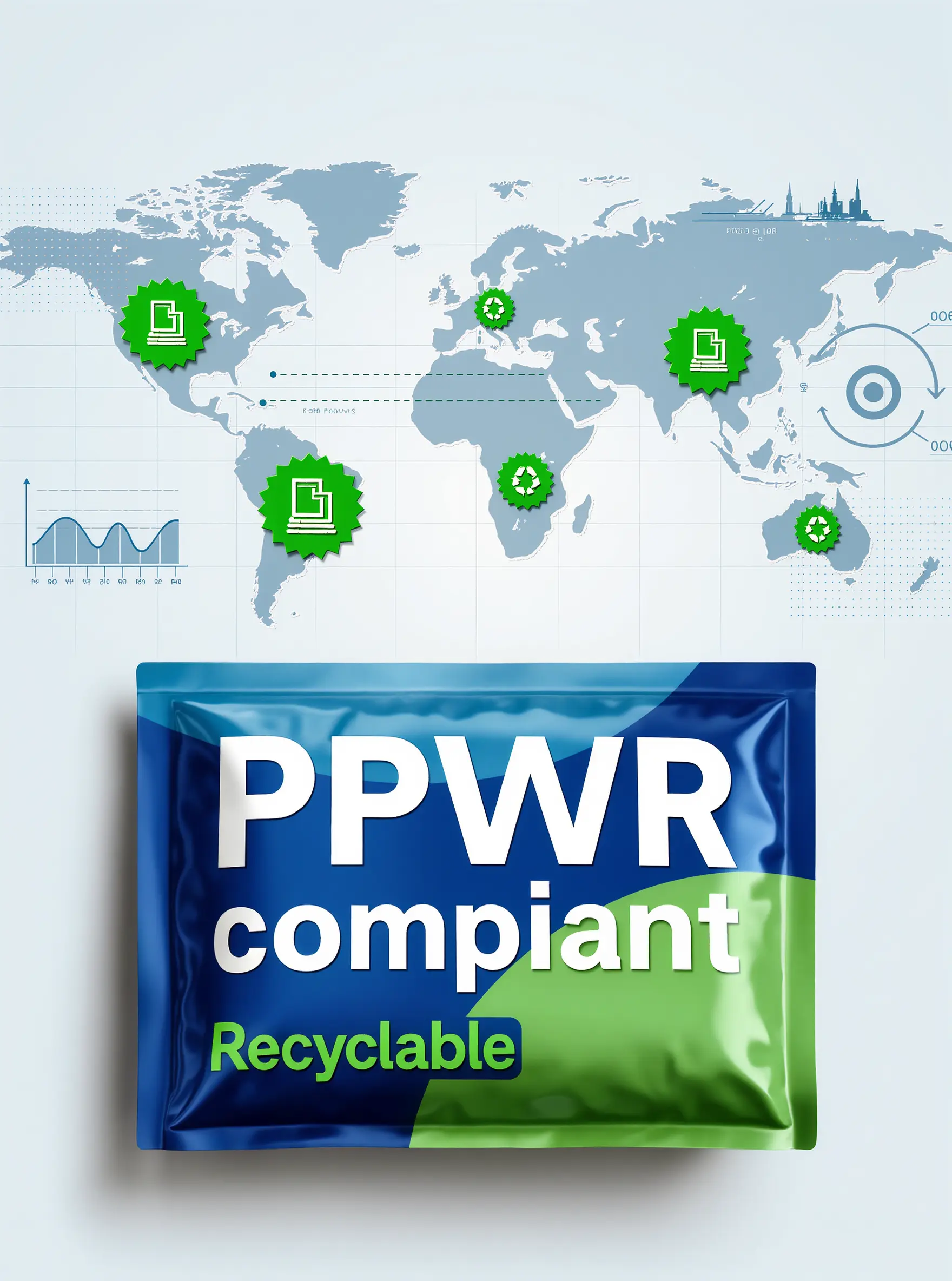
In Europe, initiatives such as the Packaging and Packaging Waste Regulation (PPWR) are encouraging greater recyclability and circular packaging design. Similar policies are emerging across North America, Australia, and other regions.
Many retailers and multinational brands have also established their own sustainability targets, creating additional demand for recyclable packaging solutions throughout the supply chain.
For manufacturers and brand owners, transitioning to recyclable pouches can help support compliance with current and future market requirements.
Modern Recyclable Pouches Offer Excellent Performance
A common concern among brand owners is whether recyclable packaging can provide the same level of protection as traditional laminated structures.
Thanks to advances in material science and film technology, today’s recyclable pouches can deliver impressive performance, including:
- Excellent moisture barrier properties
- Strong seal integrity
- Good puncture resistance
- High-quality printing appearance
- Compatibility with automatic filling lines
For many dry food applications such as coffee, nuts, dried fruits, pet treats, confectionery, and snacks, recyclable pouches have become a practical alternative to conventional packaging structures.
Popular Applications for Recyclable Pouches
Recyclable flexible packaging is now widely used across various industries:
Coffee Packaging
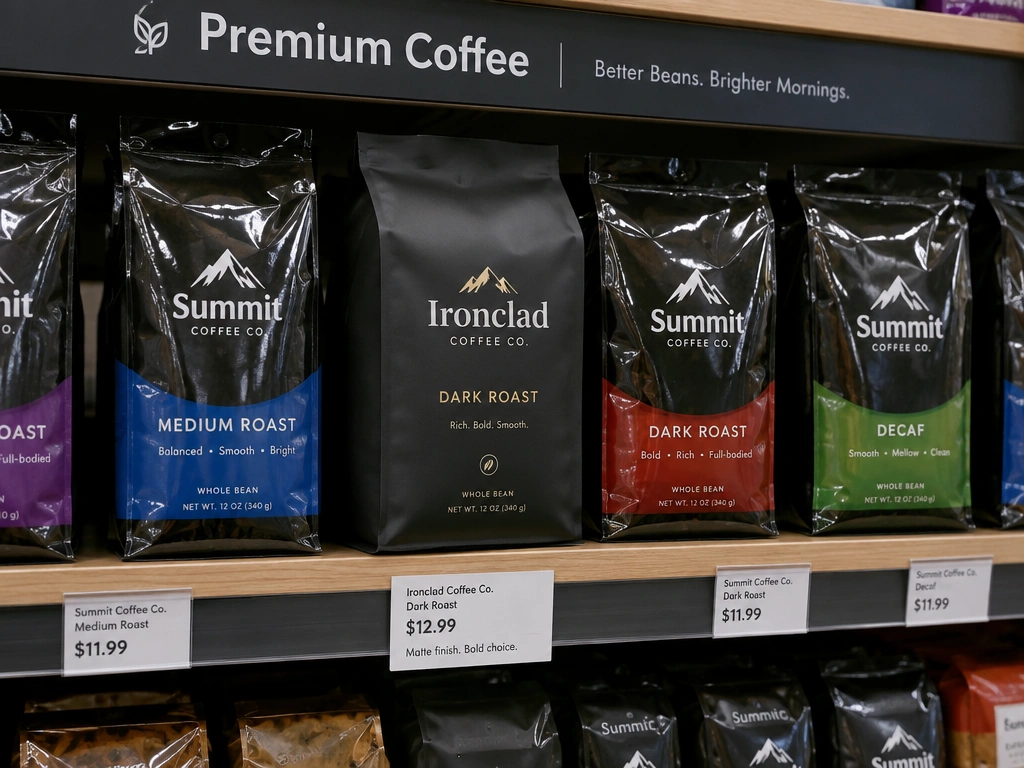
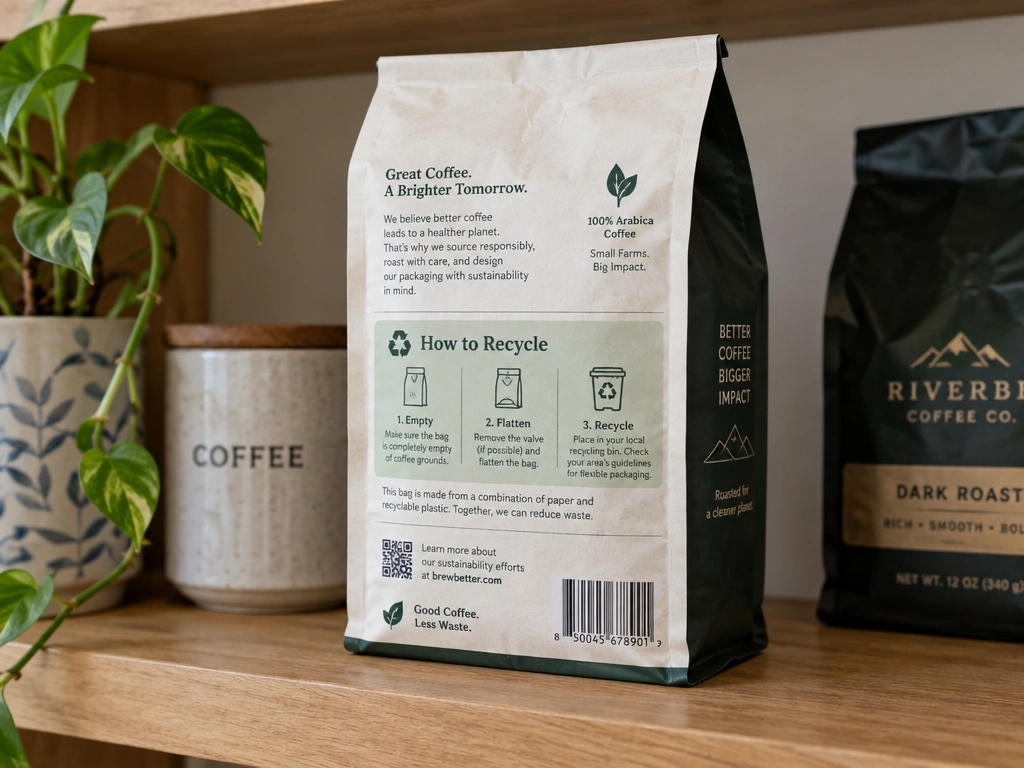
Mono-PE coffee pouches with degassing valves help maintain product freshness while improving recyclability.
Pet Food Packaging
Many pet food brands are transitioning to recyclable stand-up pouches to align with sustainability initiatives and consumer expectations.
Snack Packaging
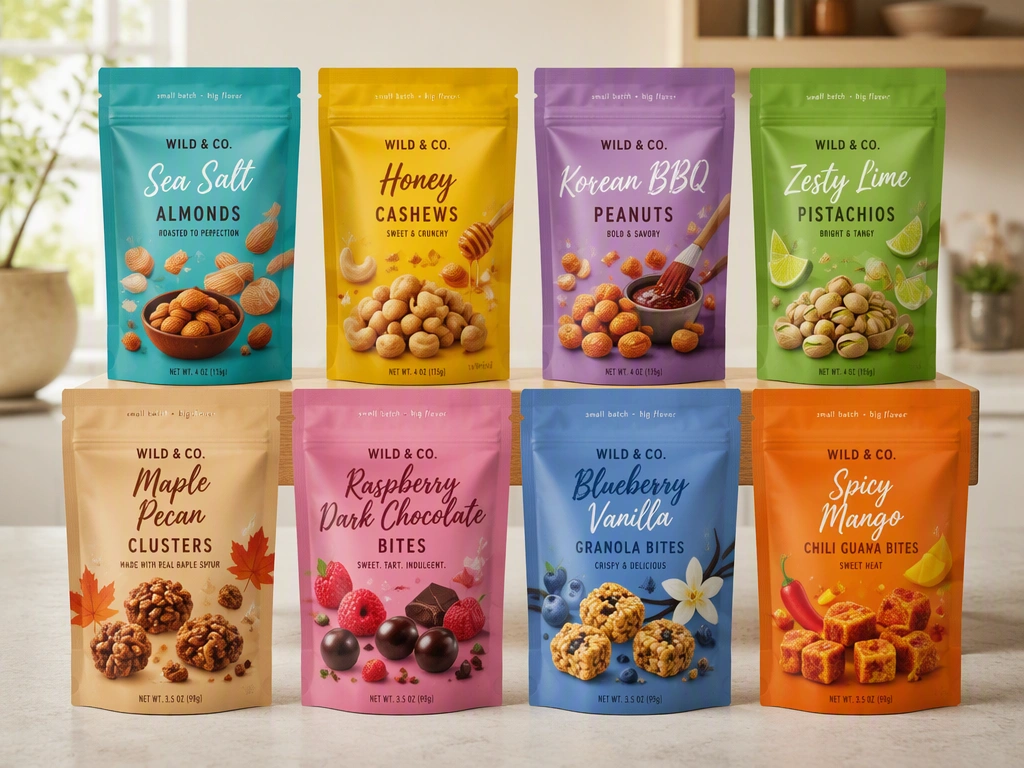
Products such as nuts, granola, trail mixes, and dried fruits can benefit from recyclable zipper pouches that combine convenience with environmental responsibility.
Health and Nutrition Products
Protein powders, supplements, and functional foods increasingly utilize recyclable packaging formats as brands seek to reduce their environmental footprint.
Cost Considerations
While recyclable materials may sometimes carry a slightly higher material cost compared with conventional structures, the gap continues to narrow as production volumes increase and technology advances.
In addition, many brands view recyclable packaging as a long-term investment that can:
- Improve brand perception
- Meet retailer requirements
- Support sustainability objectives
- Reduce future regulatory risks
The overall business value often extends beyond packaging costs alone.
The Future of Flexible Packaging
The flexible packaging industry is moving steadily toward more sustainable solutions. Recyclable pouches, lightweight structures, and mono-material packaging designs are becoming increasingly common across global markets.
Although traditional multi-layer laminates remain widely used in certain applications, recent advances in mono-material PE and PP technologies have significantly improved barrier performance, making recyclable flexible packaging a viable option for an increasing range of products.
For brands seeking to balance product protection, consumer convenience, and environmental responsibility, recyclable pouches represent one of the most promising packaging solutions available today.